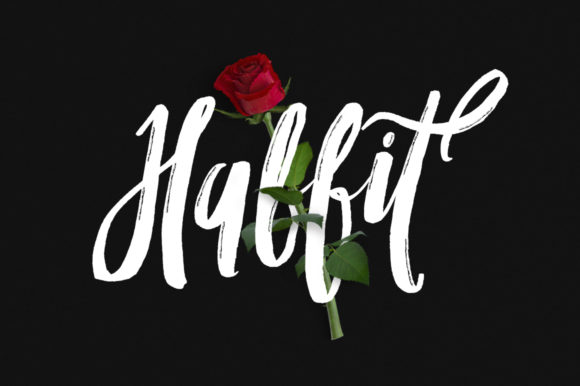
Habbit: A Handwritten Font for Elegant Web Design
As a web designer, I'm always on the lookout for fonts that can add a touch of elegance and personality to my projects. Recently, I came across Habbit, a distinct and elegant handwritten font, and decided to test it out in a real website layout. The results were nothing short of impressive.
Visual Charm and Style of Habbit
Habbit is a masterfully designed typeface that exudes a unique blend of elegance and charm. Its flowing, handwritten style gives it a personal and approachable feel, making it perfect for adding a human touch to digital experiences. The font's clean lines and well-balanced curves make it both visually appealing and highly legible, even at smaller sizes.
Testing Habbit in Real Web Layouts
I started by incorporating Habbit into a hero section for a boutique online store. The font's graceful, yet bold presence immediately elevated the design, drawing the eye and setting the tone for the entire site. The way Habbit complemented the high-quality product images and minimalist background was seamless, creating a cohesive and inviting look.
Next, I tested Habbit on a mobile device. The font's readability remained excellent, even on smaller screens. This is crucial for any web design, as mobile responsiveness is key to providing a consistent user experience. The font's natural flow and clear letterforms made it easy to read, whether in a headline or a call-to-action button.
Using Habbit for Digital Branding
Beyond the hero section, Habbit proved to be a versatile choice for various branding elements. I used it for the main navigation, where its elegant style added a touch of sophistication. For the landing page, I experimented with Habbit for the primary heading, paired with a clean sans serif for the body text. This combination created a strong visual hierarchy, guiding the user's attention effectively.
In a creative portfolio, Habbit's handwritten style added a personal and artistic touch. It worked beautifully for project titles and descriptions, giving the portfolio a unique and memorable identity. For a coaching website, Habbit's warm and welcoming feel helped to establish a connection with the audience, making the content more engaging and relatable.
Readability and Practical Advice
While Habbit is a fantastic choice for many web design elements, it's important to use it judiciously. For long-form content, such as blog posts or detailed product descriptions, a more traditional, readable font like a clean sans serif or a simple serif is recommended. Habbit shines in shorter, impactful text, such as headlines, call-to-action buttons, and decorative accents.
When using Habbit over image backgrounds, ensure there is enough contrast to maintain readability. Lighter or darker versions of the font can be used depending on the background color. Additionally, consider the font's weight and size to ensure it stands out without overwhelming the design.
Font Pairing and Web Design Best Practices
To create a balanced and professional look, I recommend pairing Habbit with a clean, modern sans serif font for body text. This combination provides a good balance between elegance and readability. For a more editorial or sophisticated look, a simple serif font can also work well with Habbit.
Before using Habbit in your web projects, make sure to check the included styles, webfont availability, file formats, and multilingual support. This ensures that the font will work seamlessly across different devices and platforms. Additionally, verify the commercial font licensing to ensure you have the right permissions for your specific use case, whether it's for a client project, an online store, or a brand asset.
In conclusion, Habbit is a standout choice for web designers looking to add a touch of elegance and personality to their projects. Its handwritten style, combined with its versatility and readability, makes it a valuable addition to any digital design toolkit. Whether you're designing a boutique online store, a creative portfolio, or a coaching website, Habbit can help you create a memorable and engaging user experience.